Panic Bar Installation
If you run a storefront on Broadway in Bushwick, manage a multi-tenant office building in Crown Heights, or operate a restaurant near the Myrtle-Broadway corridor, your exit doors aren't just an architectural detail — they're a legal requirement and a life-safety system. New York City's building and fire codes mandate that most commercial and assembly occupancies have compliant exit devices on outward-swinging egress doors. That means a proper panic bar installation isn't optional; it's the difference between passing a FDNY or DOB inspection and facing a violation. Bushwick NY Locksmith is a 24/7 mobile locksmith serving all of Brooklyn, and our trained, insured technicians come directly to your location to handle everything from new crash bar installation to full exit device upgrades — no shop visit required.
Open 24 hours, 7 days a week · Licensed, bonded & insured
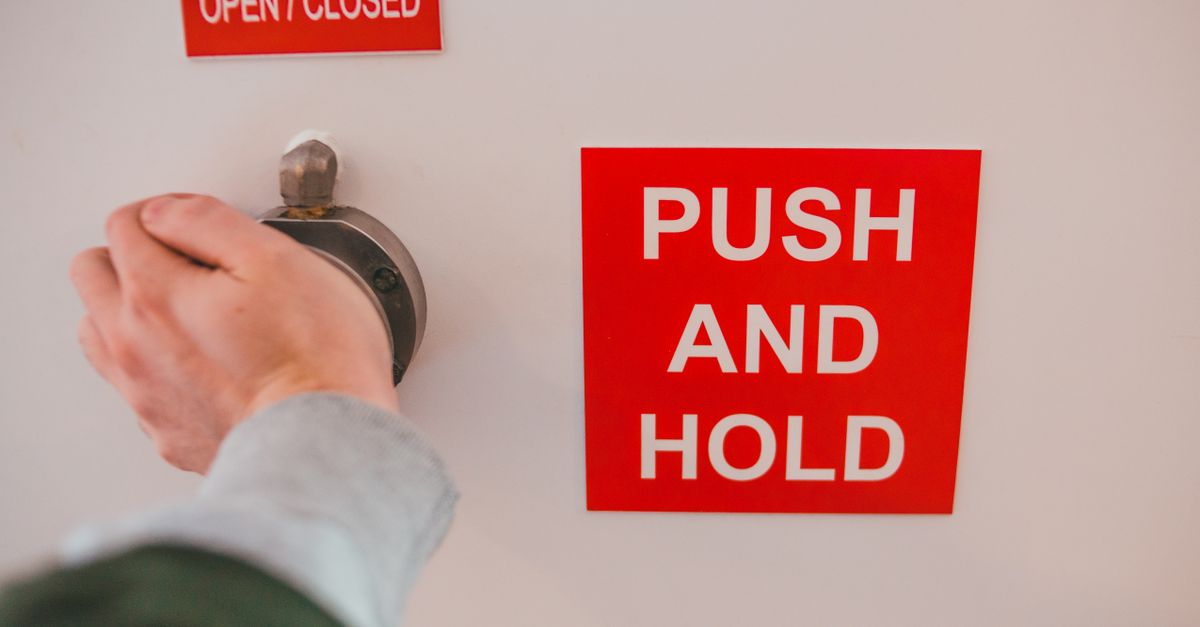
Brooklyn's commercial real estate is dense and varied: narrow ground-floor retail in Bed-Stuy, older loft conversions in Ridgewood, high-traffic bodegas along Knickerbocker Avenue, and everything in between. Each building type presents its own door hardware challenges — misaligned frames, outdated mortise prep cuts, hollow-metal doors with non-standard backsets. Our team has hands-on experience navigating all of it. Whether you need a single device swapped out or a multi-door exit system configured across a commercial space, call (347) 572-7821 and we'll dispatch a qualified technician to assess and complete the job, any hour of the day or night.
What we do
Available 24/7
Day, night, weekends and holidays — a real local locksmith answers and rolls a fully-stocked van.
Fast local response
Based in Brooklyn, we reach the Brooklyn area in well under an hour.
Insured & background-checked
Vetted technicians, up-front pricing, and no surprise add-ons when we arrive.
Damage-free entry
We pick and bypass locks the right way, so most lockouts are solved without drilling anything.
What Panic Bar Installation Actually Involves (and Why It's Not a DIY Job)
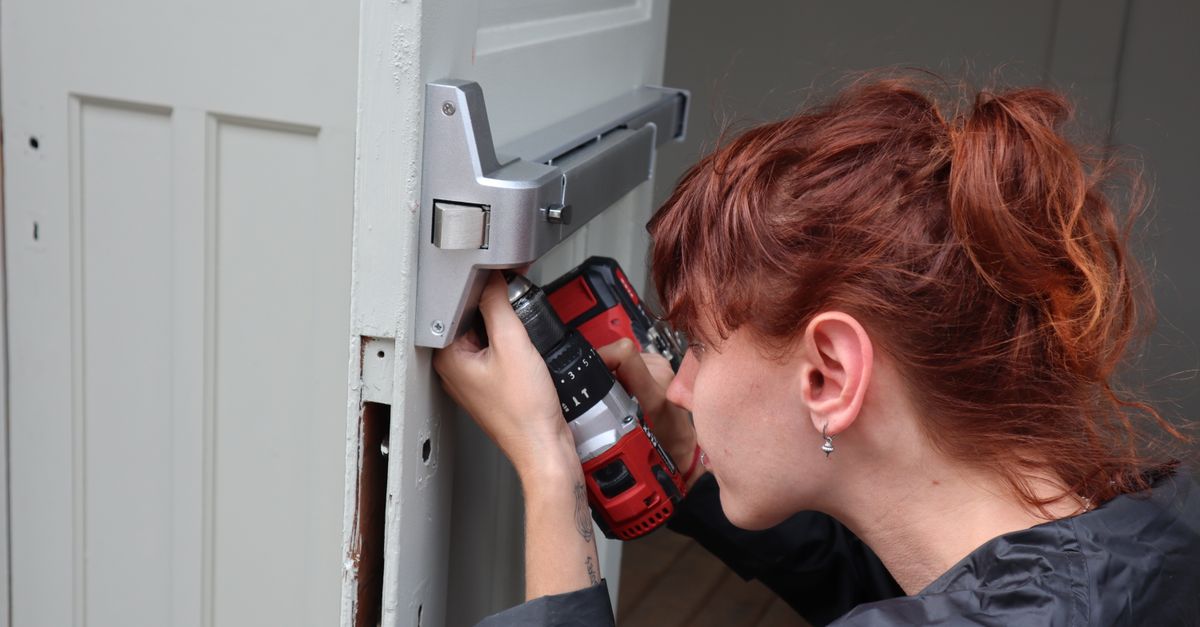
A panic bar — also called an exit device or crash bar — is a horizontal push-rail mechanism mounted across an egress door that releases the latch with a single motion, even under load from a crowd. Installing one correctly means more than bolting a bar to a door. The technician must assess the door thickness, material (hollow metal, aluminum storefront, wood), the frame condition, whether a rim-mount or mortise-body device is appropriate, and whether the existing prep work (cutouts, strike reinforcement) can accept the new hardware. On older Brooklyn commercial buildings, it's common to find mismatched prep cuts or deteriorated door frames that need to be addressed before any device goes on — skipping that step leads to a device that binds, fails to latch, or defeats itself under pressure. Our team evaluates all of this before touching a single screw.
Exit devices also vary significantly in their locking function. Some are non-latching (for interior corridor doors), while others incorporate a key cylinder on the outside for entry control. High-security applications — a rear exit in a Bushwick warehouse, for example — often call for a panic bar with mortise lock integration, where a full mortise lock body is built into the door and the exit device controls its bolt. This configuration provides the security of a commercial-grade mortise lock on the interior latch side while preserving single-motion egress on the inside. Getting that combination right requires a locksmith with genuine commercial hardware experience, not a general handyman.
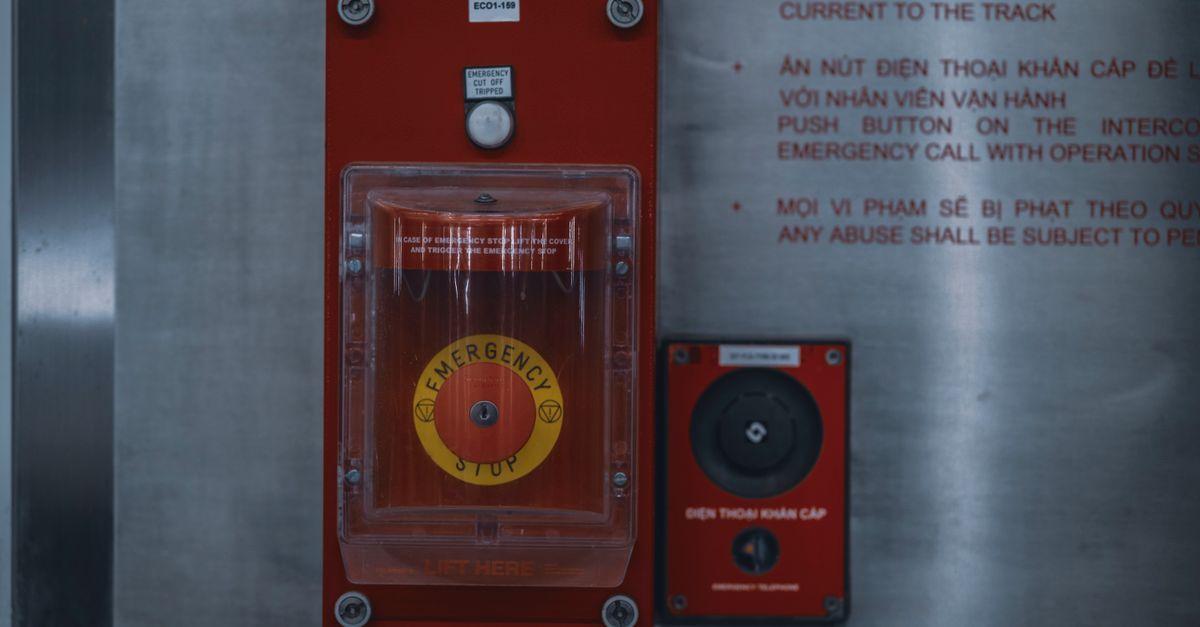
Panic Bar Installation for Brooklyn Storefronts, Offices & Multi-Tenant Buildings
Brooklyn's commercial corridors — from the retail strips along Fulton Street in Bed-Stuy to the converted industrial buildings near the Morgan Avenue L stop — host an enormous range of door configurations. Aluminum storefront systems with narrow stiles require slimline exit devices with specific mounting brackets. Solid wood doors in older brownstone-conversion offices may need surface-mounted rim devices with careful template work to avoid splitting the door. Steel hollow-metal doors, common in warehouses and loading areas throughout East New York and Canarsie, typically accept mortise-body or rim-mount devices but require precise strike alignment for the door to close and latch reliably every time. Our mobile locksmith units carry a broad inventory of devices and hardware so that in most cases, we can complete the installation in a single visit without back-ordering parts.
For multi-door commercial projects — a restaurant building out a new location, a charter school securing all egress points before opening, or a property management company bringing a building into compliance — we can schedule a site walk to document every door, specify the correct device for each opening, and coordinate installation with minimal disruption to your business hours. Need it done at 2 a.m. before a morning health inspection? That's exactly what 24/7 mobile service is for. Call (347) 572-7821 to get started.
Panic Bar Repair and Replacement: When Your Existing Device Fails
Exit devices take a beating. In a high-traffic Brooklyn deli or pharmacy, a crash bar might be pushed hundreds of times a day. Springs wear out, the push rail loosens from its end caps, outside trim cylinders seize up, and the latch bolt begins to misalign with the strike plate. When any of those things happen, the door either won't latch (a security problem) or won't open under normal pressure (a life-safety problem). Panic bar repair is often possible without replacing the entire device — worn springs, seized cylinders, and misaligned strikes can usually be addressed on-site by a trained technician. If the device body itself is cracked, corroded, or structurally compromised, panic bar replacement is the right call, and we carry devices compatible with the most common door preps so we can swap them without major door modification.
A mortise lock panic bar that's been forced, frozen, or flooded presents a more involved repair scenario: the mortise case, its components, and the exit device rail all need to be inspected as a system. Our technicians are equipped to disassemble, diagnose, and rebuild or replace mortise-body exit devices on-site. We also rekey or replace the outside entry cylinder when needed, so you're not left with a functioning panic bar and a lock cylinder that no longer matches your key. Every repair visit ends with a full operation test to confirm the door latches securely and the device clears with single-motion pressure — no partial fixes.
How We Price the Work — and What to Expect Before We Start
Exit device work varies in scope more than almost any other locksmith service, so we never quote a flat rate without knowing what we're dealing with. The factors that shape your final price include the type and grade of device needed (a heavy-duty mortise-body device for a high-traffic egress costs more than a light-duty rim device for a low-use office corridor), the condition of the door and frame, whether any preparatory work is required (reinforcing a strike pocket, addressing frame damage, or drilling new bolt clearance holes), the number of doors involved, and the time of day the work is performed. Travel distance within the Brooklyn service area is also a consideration for off-hours and overnight calls. What never changes: we confirm an exact price with you before any work begins. No surprise invoices after the fact. Our technicians explain what they found, what they recommend, and what it will cost — and then they wait for your go-ahead.
We're insured and we operate our own mobile units out of the Brooklyn area, which means the person who answers your call at (347) 572-7821 is dispatching a technician from the same borough — not routing you through a call center two states away. That matters when you're dealing with a failed exit device before a morning inspection or a storefront that needs to be secured before you can leave for the night.
Our Commercial Door Hardware Services — What We Install and Service
Bushwick NY Locksmith handles the full range of commercial exit and entry hardware for Brooklyn businesses. Here's what our mobile technicians are equipped to do on-site: (1) Rim-mount exit device installation on hollow-metal and aluminum doors; (2) Surface-mounted crash bar installation on wood commercial doors; (3) Mortise-body exit device installation with full mortise lock integration; (4) Panic bar with mortise lock configuration for rear and secondary egress doors; (5) Vertical rod exit device installation for double-door openings; (6) Concealed vertical rod device installation; (7) Touch bar and crossbar exit device installation; (8) Exit device dogging (hold-open) function setup for daytime access compliance; (9) Outside trim installation — levers, pulls, and key cylinders for controlled entry; (10) Rekeying of exit device entry cylinders to match a master key system; (11) Panic bar repair — spring replacement, rail re-tensioning, end cap repair; (12) Latch bolt and strike plate realignment; (13) Mortise case cleaning, lubrication, and component rebuild; (14) Panic bar replacement when devices are beyond repair; (15) Electrified exit device installation for access control integration; (16) Electric strike installation paired with exit devices; (17) Magnetic hold-open device installation on fire-rated doors with alarm tie-in coordination; (18) Door closer installation and adjustment to ensure proper latching with exit devices; (19) Storefront aluminum frame door hardware service and replacement; (20) Hollow-metal door reinforcement and frame repair prior to device installation; (21) Multi-door exit device projects for restaurants, schools, offices, and retail chains; (22) Code compliance assessment for egress doors under NYC Building and Fire Code; (23) After-hours emergency repair for failed or jammed exit devices; (24) Device replacement on fire-rated stairwell doors; (25) Exit device hardware upgrades from Grade 3 to Grade 1 commercial-duty on high-traffic openings; (26) Key-locking lever trim installation on the secure side of exit devices; (27) Push-pull hardware removal and exit device retrofit on previously non-compliant doors.
Frequently asked questions
Do I legally need a panic bar on my Brooklyn storefront's exit door?
It depends on your occupancy type and the door's use. Under New York City's Building Code (which aligns with IBC requirements) and FDNY fire code, exit devices are required on doors serving assembly occupancies with an occupant load of 50 or more, as well as on high-hazard occupancies and certain other commercial uses. Many retail and restaurant spaces along Brooklyn corridors fall into this category. If you're unsure whether your door requires a compliant exit device, our technicians can assess the opening and advise you — but for formal code determinations, you should also consult your building's architect of record or the NYC Department of Buildings.
What's the difference between a panic bar with mortise lock and a standard rim-mount exit device?
A standard rim-mount exit device attaches to the face of the door and drives a latch bolt into a surface-mounted strike on the frame — it's the most common configuration and works well on most commercial doors. A panic bar with mortise lock integration uses a full mortise lock body (recessed into the edge of the door) combined with an exit device rail that controls the mortise's latch and deadbolt functions. This setup provides significantly higher security on the entry side while maintaining single-motion egress on the exit side. It's the preferred configuration for rear exits, stairwell doors, and any opening where you need both serious entry control and reliable life-safety egress — common in Bushwick and Bed-Stuy commercial loft conversions where the back door is both a primary exit and a security concern.
Can you repair my existing exit device, or does it always need to be fully replaced?
Many exit device problems — a sagging rail, a stiff or seized outside cylinder, a worn push spring, or a misaligned strike — are repairable on-site without replacing the entire unit. Our technicians carry common replacement components and can rebuild or adjust devices from most major hardware manufacturers. Replacement becomes necessary when the device body is cracked or corroded, when internal components are no longer available, or when the existing device is so outdated that it can't be brought into reliable working order cost-effectively. We'll always tell you honestly which situation you're in before recommending a full panic bar replacement.
How long does a typical panic bar installation take?
A single-door installation on a door that's already properly prepped — correct backset, clean frame, no structural issues — typically takes one to two hours. Doors that need prep work first (strike pocket reinforcement, a new bolt clearance hole, frame adjustment) take longer. A mortise-body exit device installation is more involved than a rim-mount job because it requires precise mortise case fitting and careful strike alignment. Multi-door projects are scoped individually. We'll give you a realistic time estimate when we assess the door, so you can plan accordingly — especially if you're coordinating around business hours or an inspection deadline.
Do you work on exit devices at night or on weekends? My inspection is early Monday morning.
Yes — we operate 24/7, every day of the year, including weekends and holidays. A Sunday night installation before a Monday morning inspection is a scenario we handle regularly for Brooklyn restaurant and retail clients. Call (347) 572-7821 at any hour and we'll dispatch a technician. Off-hours calls are factored into the pricing, which we confirm with you upfront before any work begins.
Will installing or replacing the exit device damage my door?
Our technicians work to complete every installation with as little modification to the door as possible. For rim-mount devices on doors with existing prep, this is typically a direct swap with no new drilling required. For doors that need new prep work — a mortise pocket, additional through-bolt holes, or strike reinforcement — we make only the cuts and modifications necessary for a secure, code-compliant installation. We don't route around damage or cover it up; if we find frame or door damage that needs to be addressed for the device to work correctly, we'll tell you before we start.
Locked out or need a lock fixed? We are on the way.
We answer 24/7 — talk to a real local locksmith now.
(347) 572-7821